
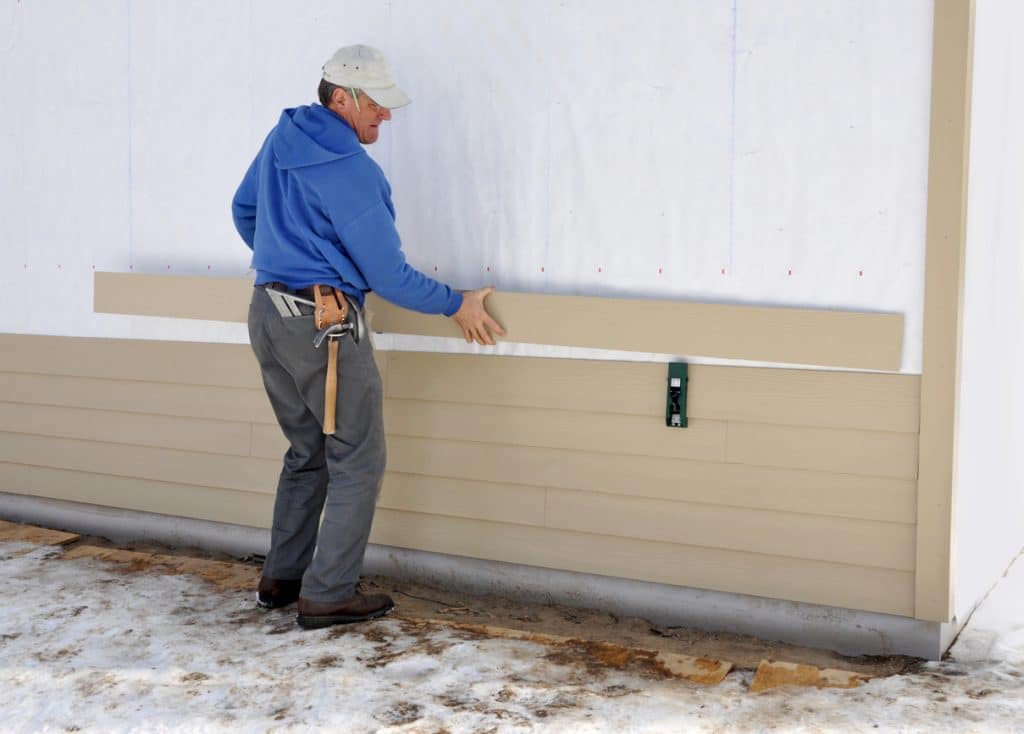
Homeowners often ask: Is James Hardie Siding Worth It in Roseville’s Climate? With hot, dry summers, occasional heavy rains, and mild but sometimes chilly winters, siding choices in Roseville must handle wide temperature swings while staying attractive and low-maintenance. This guide provides a deep, experience-backed analysis to help you decide whether James Hardie siding is the right investment for your home.
Understanding Roseville’s Climate and Its Impact on Siding
Roseville sits in Northern California’s inland valley, experiencing a Mediterranean climate. Summers regularly exceed 90°F, while winters bring cooler nights, occasional frost, and seasonal rain. These conditions can stress exterior materials through thermal expansion, UV exposure, and moisture cycles
Key Climate Challenges
Intense summer heat & sun exposure
Seasonal rain and occasional wind
Dry air with sudden temperature shifts
Low humidity punctuated by winter moisture
Traditional wood siding may crack or rot, while vinyl can warp or fade under prolonged heat. This is where fiber cement siding stands out.
What Is James Hardie Siding?
James Hardie siding is a fiber cement product made from cement, sand, water, and cellulose fibers. It is engineered specifically for regional climates, and Roseville falls within Hardie’s HARDIEZONE® HZ5, designed for areas with temperature swings and seasonal moisture.
Popular James Hardie Options
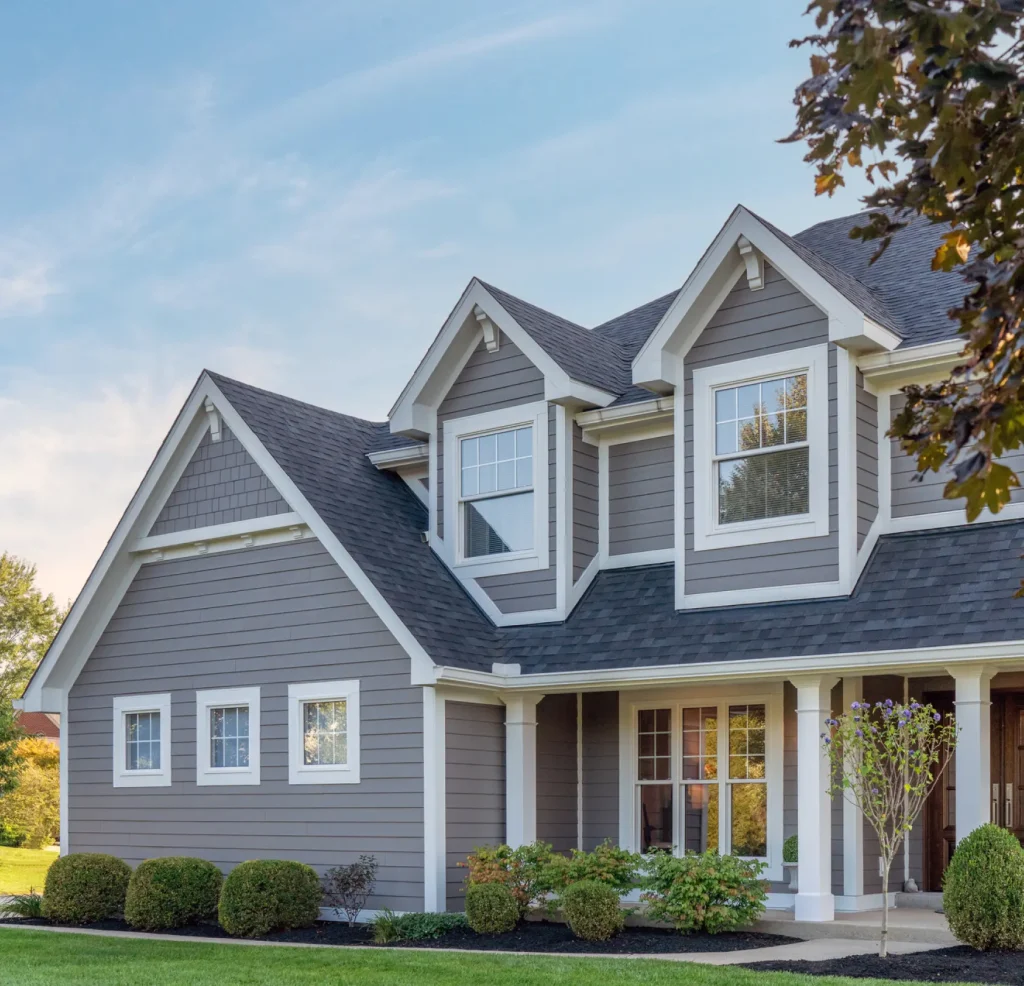
HardiePlank® Lap Siding – Classic horizontal look
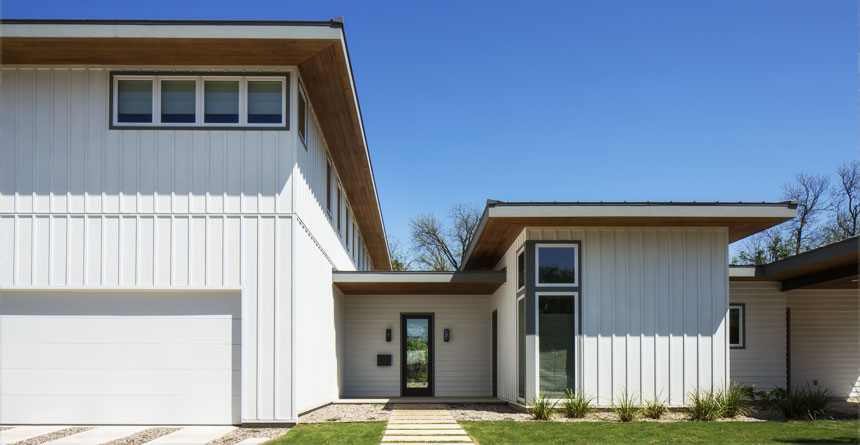
HardiePanel® Vertical Siding – Modern, clean aesthetics
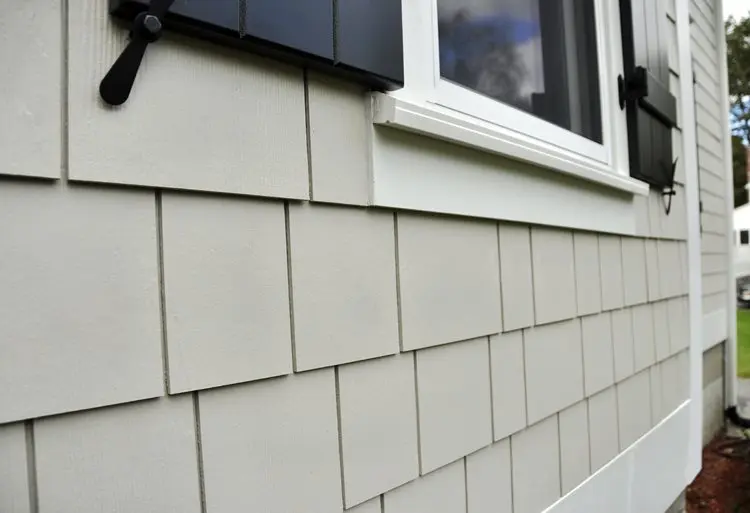
HardieShingle® Siding – Cedar-style appearance without wood issues
Why James Hardie Siding Performs Well in Roseville
1. Heat and UV Resistance
Unlike vinyl, fiber cement does not melt or warp in extreme heat. James Hardie’s ColorPlus® Technology helps resist UV fading, a major advantage under Roseville’s strong summer sun.
2. Moisture and Rain Protection
Roseville’s winter rains can lead to swelling or rot in wood siding. Fiber cement is non-combustible and moisture-resistant, meaning it won’t absorb water or encourage mold growth.
3. Fire Resistance
Wildfire risk is a growing concern in California. James Hardie siding is non-combustible and often qualifies as a fire-resistant exterior, which can be reassuring for homeowners and insurers alike
Durability and Lifespan in Roseville Conditions
One of the strongest arguments for asking Is James Hardie Siding Worth It in Roseville’s Climate? is durability.
Expected Lifespan
- 30–50 years with proper installation and minimal upkeep
- Resistant to termites, rot, and impact damage
In Roseville’s dry-hot summers and wet winters, this longevity significantly outperforms vinyl and wood alternatives.
Maintenance Requirements: Busy Homeowner Friendly
James Hardie siding is often chosen by homeowners who want low maintenance without sacrificing appearance.
Energy Efficiency and Comfort
While siding itself isn’t insulation, James Hardie’s thickness and density help stabilize exterior temperatures. When paired with proper insulation and house wrap, it can:
Support lower cooling costs during peak heat months
Reduce heat transfer during hot summers
Improve indoor comfort year-round
Maintenance Checklist
Occasional hose-down cleaning
Inspect caulking every few years
Repaint after 15–20 years (ColorPlus® lasts longer)
Compared to wood siding, which may need repainting every 5–7 years in Roseville’s sun, fiber cement saves both time and money.
Cost Breakdown: Is the Investment Worth It?
Average Costs in Roseville
- Material + installation: Higher upfront than vinyl
- Long-term savings: Fewer repairs, longer repaint cycles
While James Hardie siding costs more initially, homeowners in Roseville often find the lifetime value outweighs cheaper materials that degrade faster under heat and sun exposure.
Pros and Cons of James Hardie Siding in Roseville
Pros
- Excellent heat and fire resistance
- Long lifespan (30–50 years)
- Low maintenance
- Boosts curb appeal and resale value
Cons
Heavier than vinyl
Higher upfront cost
Requires professional installation
Impact on Home Value in Roseville
Real estate professionals often note that fiber cement siding:
- Enhances curb appeal
- Signals quality construction
- Appeals to buyers concerned about fire safety
Homes with James Hardie siding may enjoy stronger resale positioning in competitive Roseville neighborhoods
Is Professional Installation Important?
- WRB (housewrap or membrane): Continuous and lapped correctly.
- Flashing: At windows, doors, horizontal joints, and penetrations.
- Clearances: Keep boards off roofing, decks, and grade; maintain drip edges.
Skip these and you invite trapped moisture or staining.
FAQs & Verdict: Is James Hardie Siding Worth It in Roseville’s Climate?
After evaluating climate compatibility, durability, maintenance, fire resistance, and long-term value, the answer is yes—for most homeowners. James Hardie siding is well-suited to Roseville’s hot summers, seasonal rain, and growing fire concerns, making it a smart, future-focused investment.
For homeowners seeking peace of mind, lasting beauty, and strong performance, James Hardie siding stands out as one of the best exterior options available.
1) Does James Hardie siding crack in extreme heat?
No. It’s engineered to withstand high temperatures common in Roseville summers.
2)How does it compare to vinyl siding in Roseville?
Fiber cement resists warping and fading better than vinyl under intense sun.
3) Is James Hardie siding fire-resistant?
Yes. It is non-combustible and often preferred in fire-prone regions.
4) How long does James Hardie siding last in Roseville?
Typically 30–50 years with proper installation and care.
5) Does it require frequent repainting?
No. ColorPlus® finishes can last 15–20 years before repainting.
Leave a Reply